
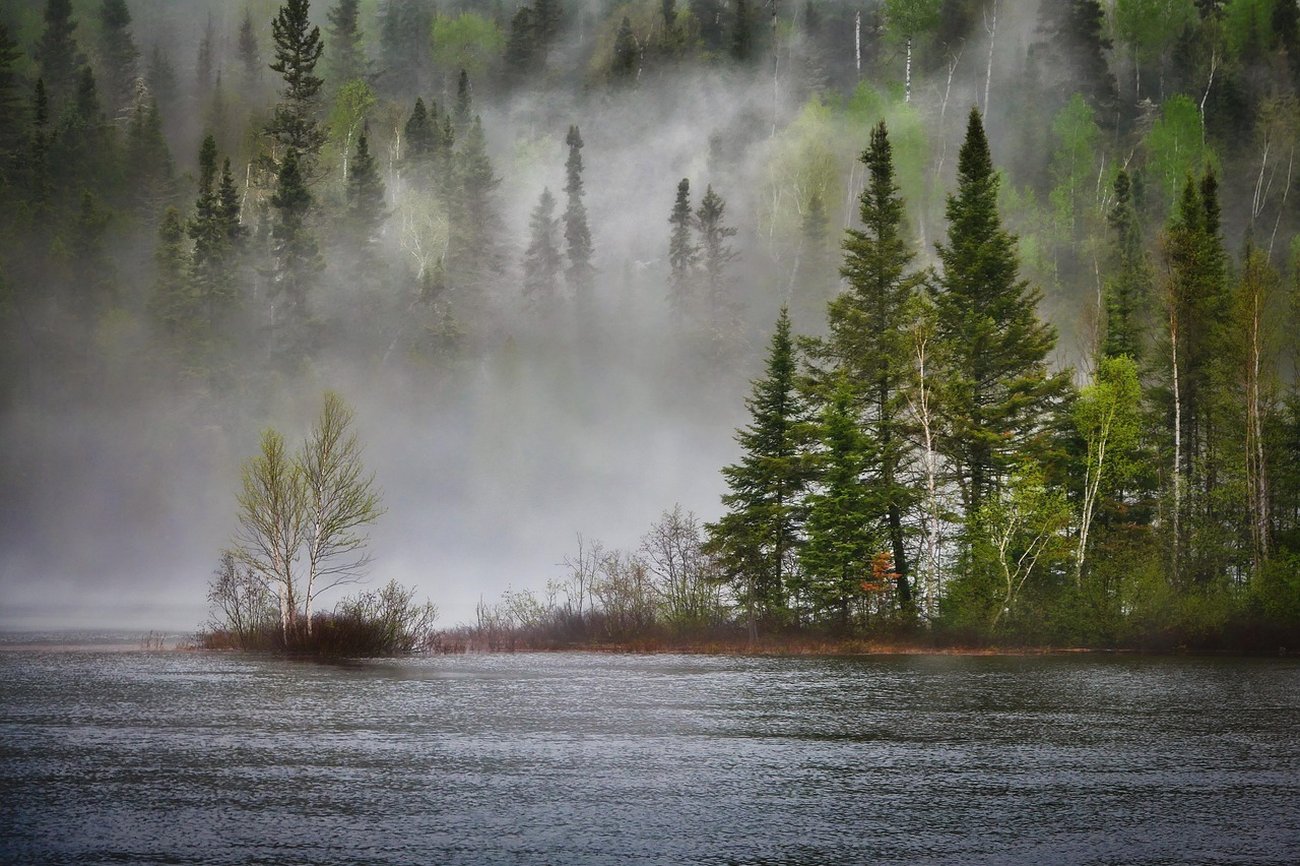

The Quiet Thrill of Dawn Patrol on a Hidden Pond
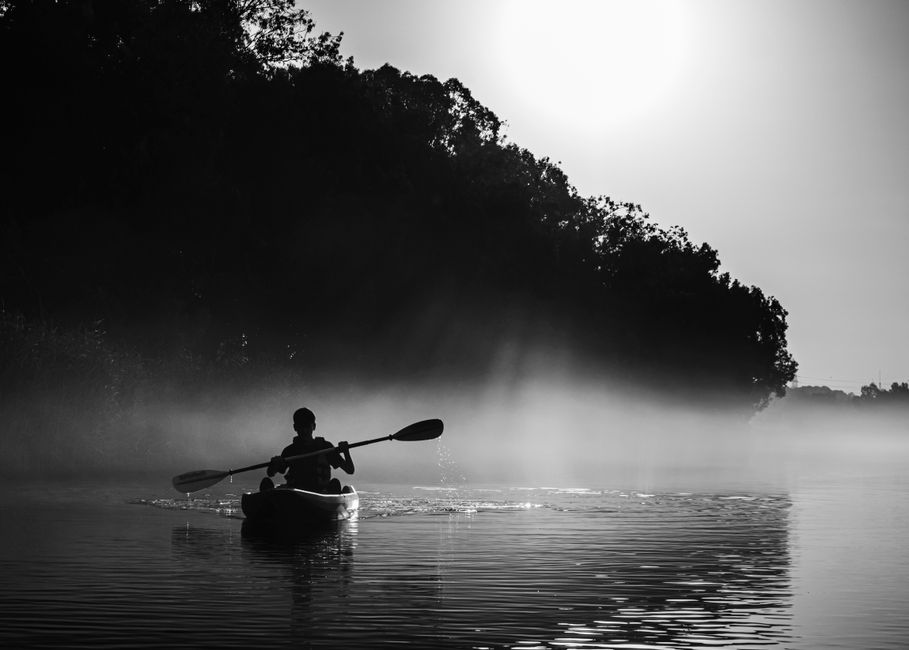
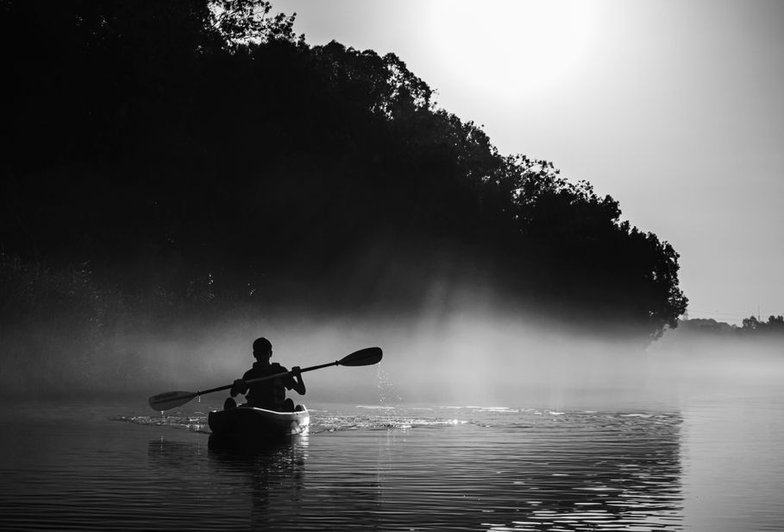
The alarm goes off at an hour most people would call unreasonable. It's dark, the coffee is barely brewed, and your kayak is still strapped to the roof rack from last weekend. But if you've done this before, you already know why you're doing it again. Dawn patrol on a small pond isn't about catching the most fish or covering the most water. It's about being there when the water is glass and the only sound is your paddle dipping in and out of it.
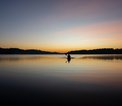
I started doing early morning paddles a few years ago, mostly out of necessity. Between work and family, the only reliable window I had was the hour just after sunrise. What I thought would be a compromise turned into the best part of my week. The ponds I fish are small, often less than fifty acres, and at dawn they feel like private lakes. No jet skis, no barking dogs, no other anglers racing to the same brush pile.
Why Small Water Rewards Early Risers
Small ponds behave differently than big lakes. They warm up faster, cool down faster, and the fish in them tend to be more pattern-driven. On a pond, a bass that's holding near a fallen oak at 6 a.m. is probably still there at 8. On a reservoir, that fish could be a quarter mile away by the time you finish your coffee. The intimacy of small water means you can actually learn it. You start to recognize individual stumps, submerged logs, and the way light hits a particular weed line.
Dawn is also when the food chain wakes up. Baitfish push toward the shallows, insects start moving, and predator fish follow. I've had mornings where the surface was dimpled with feeding bluegill and the bass were crashing through them like teenagers at a buffet. A simple popper or a small spinnerbait was all it took. Other mornings, nothing. But even the slow mornings are worth it because you're out there, watching the mist rise off the water and listening to the herons argue over territory.
Packing Light and Moving Slow
One of the mistakes I made early on was overpacking. I'd bring three rods, two tackle boxes, a cooler, and enough snacks for a small army. Now I bring one rod, a small box of lures, water, and a camera. The less I carry, the more I notice. I paddle slower, cast more deliberately, and actually watch what's happening around me. On a small pond, you don't need to cover water. You need to cover the right water.
If you're new to dawn paddling, start with a pond you already know. Launch before first light if you can, and give your eyes time to adjust. Keep your first few casts quiet and close to the bank. Pay attention to where the surface is disturbed and where it isn't. And don't rush. The best part of dawn patrol isn't the fish. It's the hour itself, the stillness, the quiet, and the feeling that you've stolen a little piece of the day before anyone else could claim it.

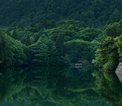

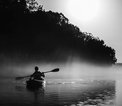

There's a particular magic to slipping your kayak into still water before the rest of the world wakes up.
Farm ponds are their own ecosystem, and learning to read them is the difference between casting blind and casting with purpose.
The kayak market is overwhelming, but a few simple questions will narrow it down to the right boat for you.
Sometimes the best paddling trips are the ones you stumble into by accident, on water that doesn't make the guidebooks.
Nothing beats the explosion of a bass hitting a surface lure, and small ponds are the perfect place to learn the game.