
Reading Water Temperature Without a Gauge
Water temperature drives everything in a pond or small lake. It tells you where fish will be, what they will eat, and whether they will chase a fast lure or want something slow. Most anglers know this, but many do not carry a thermometer, and some who do forget to use it. The good news is that you can learn to read temperature without a gauge. It takes attention, not equipment.
Start with your hand. Dip it in. Water below fifty degrees feels painfully cold and will numb your fingers in seconds. Water in the fifties is cold but manageable. Sixties feel cool and refreshing. Seventies feel like a swimming pool. Eighties and above feel bathwater-warm, and in small ponds, that often means low oxygen and sluggish fish. You will not get an exact number, but you will get a range, and a range is usually enough.
What the Shoreline Tells You
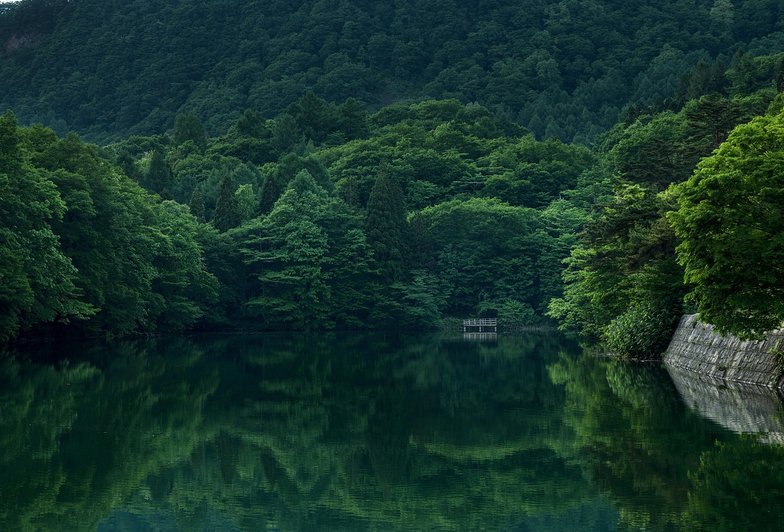
The land around a pond warms and cools faster than the water. In spring, the first shallow coves to warm are the ones with dark bottom, southern exposure, and protection from wind. Mud and rock absorb sunlight and release it into the water. If you find a cove where the bottom is dark and the sun has been on it all day, the water there may be several degrees warmer than the main lake. That is where baitfish and bass will be first.
In fall, the pattern reverses. The shallows cool first, and fish move toward deeper water or toward the last warm pockets. Look for springs, inflows, or any place where water moves. Moving water mixes and holds temperature differently. A small creek entering a pond can be warmer in winter and cooler in summer, and fish will stack around it.
Vegetation is another clue. Emergent plants like cattails and lily pads indicate shallow water that heats quickly. If those plants are green and healthy, the water around them is probably in a range where fish are active. If they are brown and collapsing, the shallow water may be too warm or too cold for comfortable feeding.
How Fish Behave at Different Temperatures
Below fifty degrees, most warm-water fish are slow. They still eat, but they do not chase. Use small lures, fish them slowly, and target deeper water or the warmest part of the day. Between fifty and sixty-five, fish start to move and feed more aggressively. This is a good time to fish transition areas — points, drop-offs, and the edges of weed beds.
From sixty-five to seventy-five, you are in the sweet spot. Bass, crappie, and bluegill are active and willing to chase. Topwater works. Crankbaits work. This is when you can cover water and find fish by casting rather than finesse.
Above eighty degrees, things get tricky. Warm water holds less oxygen, and fish may move to deeper, cooler water or to areas with current or springs. They feed early and late, and they may ignore a lure that is not placed right in front of them. Slow down, fish deeper, and pay attention to shade and inflow.
None of this replaces a thermometer, but it makes you a better observer. The more you notice — the feel of the water, the color of the bank, the behavior of the fish — the less you need a number to tell you what to do.


You do not need electronics to know what the water is doing — your hands, the shoreline, and the fish will tell you.
Even after years on small ponds and creeks, I keep repeating these mistakes — and they are easy to fix.
There's a particular magic to slipping your kayak into still water before the rest of the world wakes up.
Farm ponds are their own ecosystem, and learning to read them is the difference between casting blind and casting with purpose.
The kayak market is overwhelming, but a few simple questions will narrow it down to the right boat for you.