

How to Read a Farm Pond Like a Pro
Farm ponds are everywhere, and most of them hold fish. But not all farm ponds are created equal, and the ones that produce consistently are the ones that get fished intelligently. I've spent a lot of time on ponds no bigger than a football field, and I've learned that reading them is a skill worth developing. It's not complicated, but it does require you to slow down and pay attention to details most people overlook.
The first thing I look at is the bank. A pond with a healthy mix of grass, trees, and rocks is usually a good sign. Bare, eroded banks mean poor water quality and limited cover. I also look for structure in the water itself. Fallen trees, submerged brush, and weed beds are obvious, but so are the less obvious things like changes in bottom composition. If you can see a patch of sand or gravel in an otherwise mucky pond, that's a spawning area, and fish will use it seasonally.
Finding the Fish Without Electronics
Most farm ponds don't warrant a fish finder, and honestly, you don't need one. You can learn a lot by watching the surface. Bluegill beds show up as clusters of small, circular depressions in shallow water. Bass will often patrol the edges of those beds, waiting for an easy meal. Turtles sunning on logs tell you where the water is warmest. Frogs along the bank tell you where the insects are, which tells you where the baitfish are.
Wind is another clue. On a small pond, even a light breeze pushes plankton and baitfish toward one shore. That's where the predator fish will be. I've had days where the entire pond was dead calm except for one windblown corner, and that corner produced every fish I caught. Learning to recognize those patterns takes time, but once you see them, you can't unsee them.
Respecting the Pond and Its Owners
Farm ponds usually belong to someone, and that someone usually has a reason for letting you fish there. Maybe they like the company, maybe they want the bass thinned out, or maybe they just don't mind. Whatever the reason, treat the pond like it's your own. Don't leave trash, don't trample the banks, and don't keep more fish than you can use. If you're lucky enough to have access to a private pond, protect that relationship. It's harder to find good water than it is to find good gear.
Reading a farm pond is really about paying attention. The fish are there, and they're usually not far from where you'd expect them to be. Learn the bank, the structure, the wind, and the seasons, and you'll stop guessing. You'll start knowing. And that's when small-water fishing becomes something more than just casting and hoping.


Farm ponds are their own ecosystem, and learning to read them is the difference between casting blind and casting with purpose.
The kayak market is overwhelming, but a few simple questions will narrow it down to the right boat for you.
Sometimes the best paddling trips are the ones you stumble into by accident, on water that doesn't make the guidebooks.
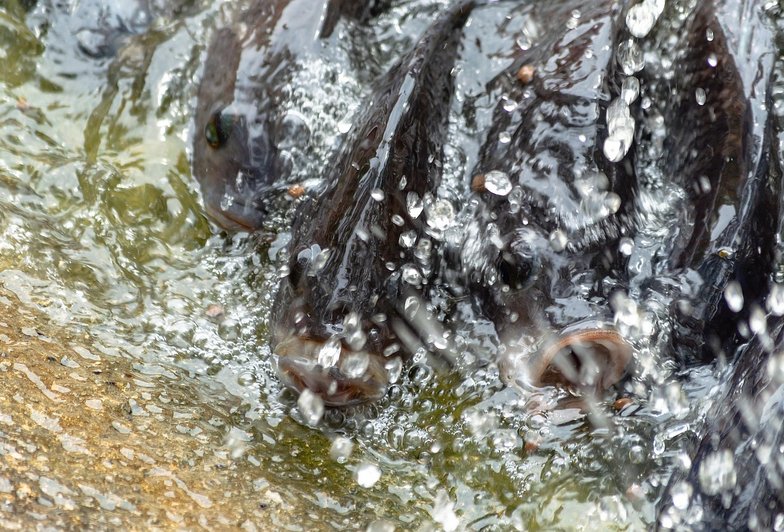
Nothing beats the explosion of a bass hitting a surface lure, and small ponds are the perfect place to learn the game.
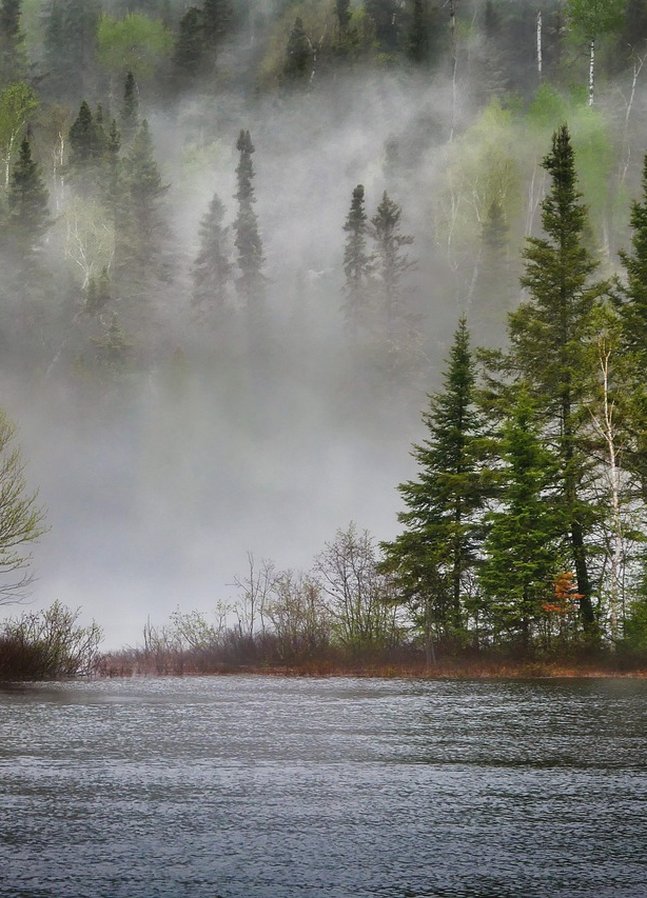
Fog on the water is more than atmosphere — it changes how fish behave, how sound travels, and how you should paddle.