




Paddling the Fog Line: Why Misty Mornings Are Worth the Alarm
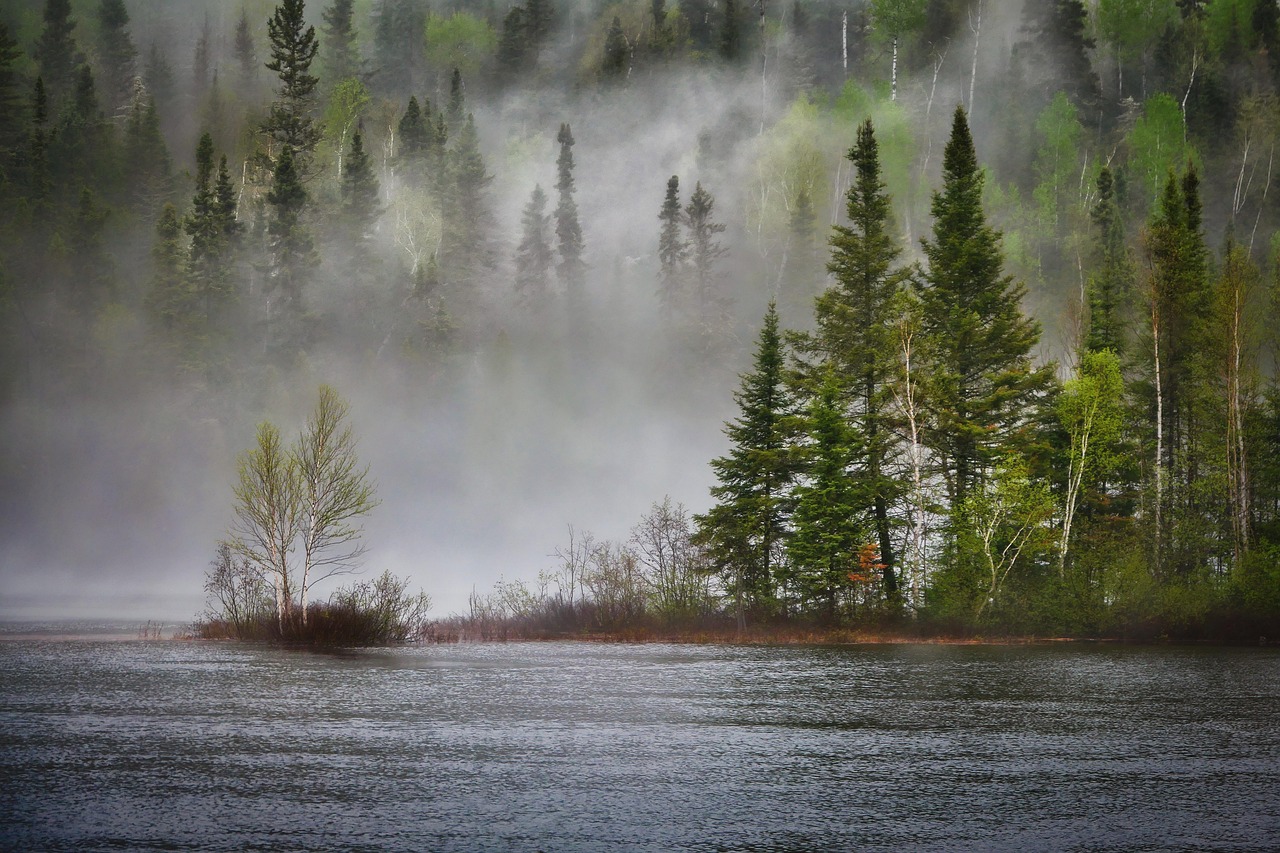
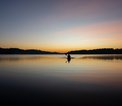
There is a version of a morning that most people never see. It starts before the sun has any real intention of showing up, when the air is colder than the water and the surface of a pond looks like it is breathing. If you paddle, this is the hour that rewards you twice: once with the scenery, and again with fish that seem to forget every rule they follow at noon.
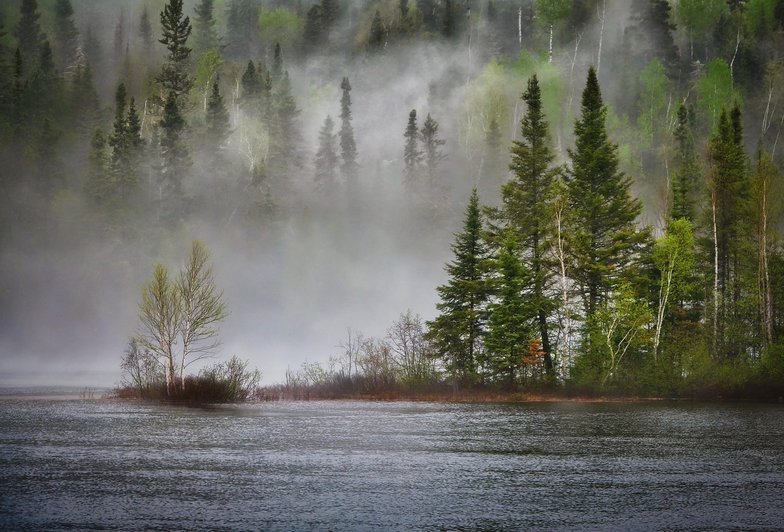
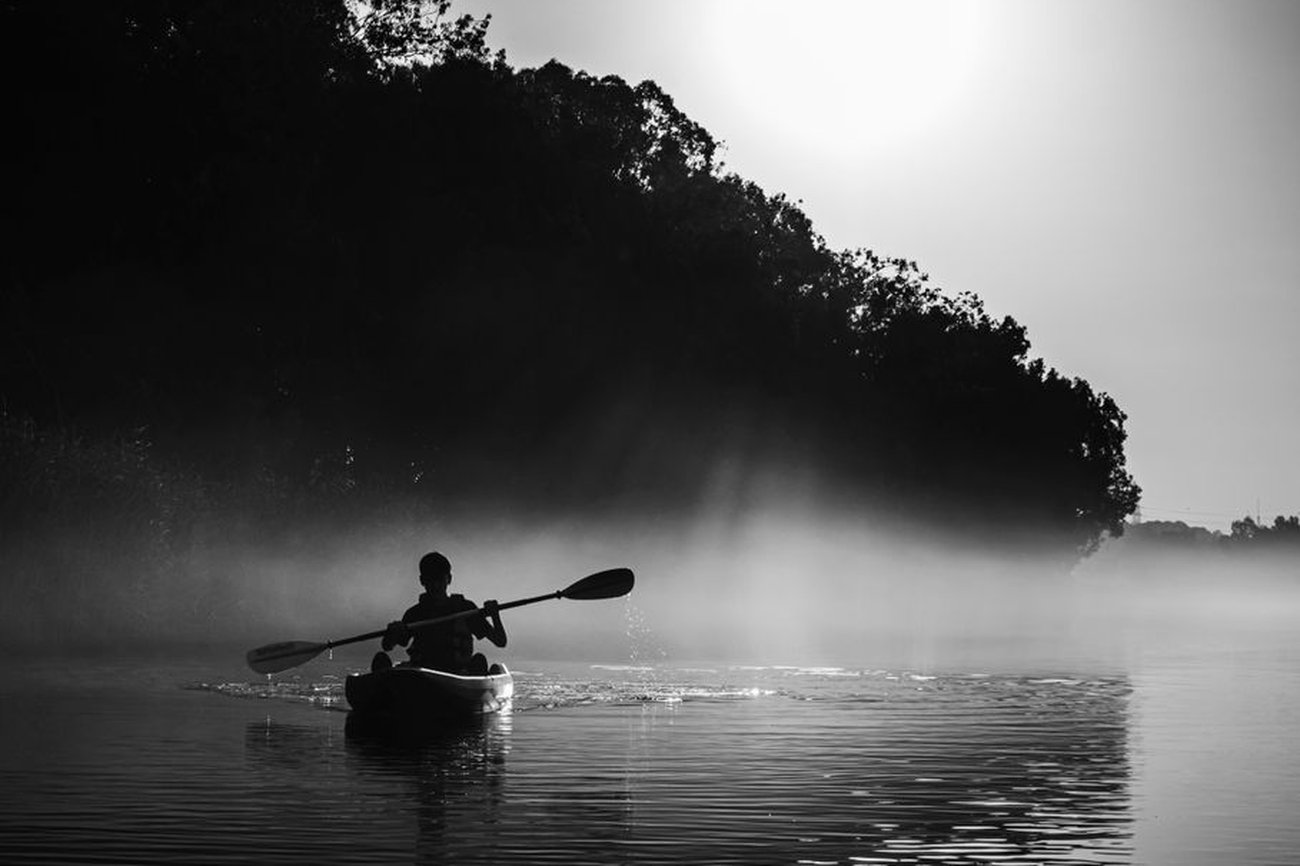
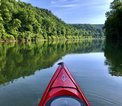
Fog forms when the air cools below the dew point and the water stays relatively warm. On small ponds, that often happens in the hours just before sunrise, especially in fall and early spring. The fog layer sits low, sometimes only a foot or two above the surface. From a kayak or canoe, you are paddling through a room with no walls, and every sound — a paddle drip, a bullfrog, a distant dog — arrives with strange clarity.
How Fog Changes the Fishing
Low light is the obvious factor. Bass, crappie, and even bluegill that spend bright afternoons sulking in deeper cover will push shallower when the surface is shaded by mist. They are not fearless, but they are less cautious. A topwater lure worked slowly along a weed edge can draw strikes that would never happen at 10 a.m. I have had mornings where the fog was so thick I could not see my own lure land, and the strike came as a sound rather than a sight — a wet pop, then a boil.
Sound matters more than most anglers realize. In fog, a soft plop of a popper carries. That can work for you, but it can also spook fish if you are clumsy with your paddle. This is the time to slow down. Instead of powering down the bank, drift. Let the boat move with the smallest breeze. Cast ahead of your drift, not behind it, so you are fishing water you have not already disturbed.
Another thing fog does: it compresses your world. You stop scanning the whole pond and start reading the twenty yards in front of you. That is a good discipline. Look for the darker seams where shallow weeds meet deeper water, the tip of a fallen tree, the slight boil of a fish that just moved. In clear conditions you might miss these because your eyes are everywhere. In fog, you have no choice but to pay attention.
Paddling Safely When You Cannot See
The same fog that makes fishing magical makes navigation genuinely tricky. If you are on a pond you know well, you can usually keep your bearings by depth, weed lines, and the shape of the shoreline. On unfamiliar water, though, it is easy to get turned around. A few habits help.
First, carry a compass or use your phone's compass before you launch, and note which direction you are heading. Second, hug the shoreline if you are exploring, but stay far enough out that you can see submerged stumps and rocks. Third, wear a light or bright color even at dawn — other boaters may be out there, and a quiet kayak in fog is nearly invisible. Fourth, sound carries both ways. If you hear a motor, stop paddling and listen until you know where it is going.
The fog usually lifts within an hour or two of sunrise, and when it does, the pond feels like a different place. The fish often slide back to their usual haunts, and the bite can slow. That is fine. You already got the best part. Pull your boat onto a bank, make coffee, and watch the day arrive.




Fog on the water is more than atmosphere — it changes how fish behave, how sound travels, and how you should paddle.
Creeks are cramped, snaggy, and full of fish that rarely see a lure — here is how to fish them without losing your mind or your tackle.
A two-night kayak camping trip on a reservoir taught me more about packing light and reading wind than any guidebook could.
You do not need electronics to know what the water is doing — your hands, the shoreline, and the fish will tell you.
Even after years on small ponds and creeks, I keep repeating these mistakes — and they are easy to fix.