
A Weekend on a River Nobody Talks About
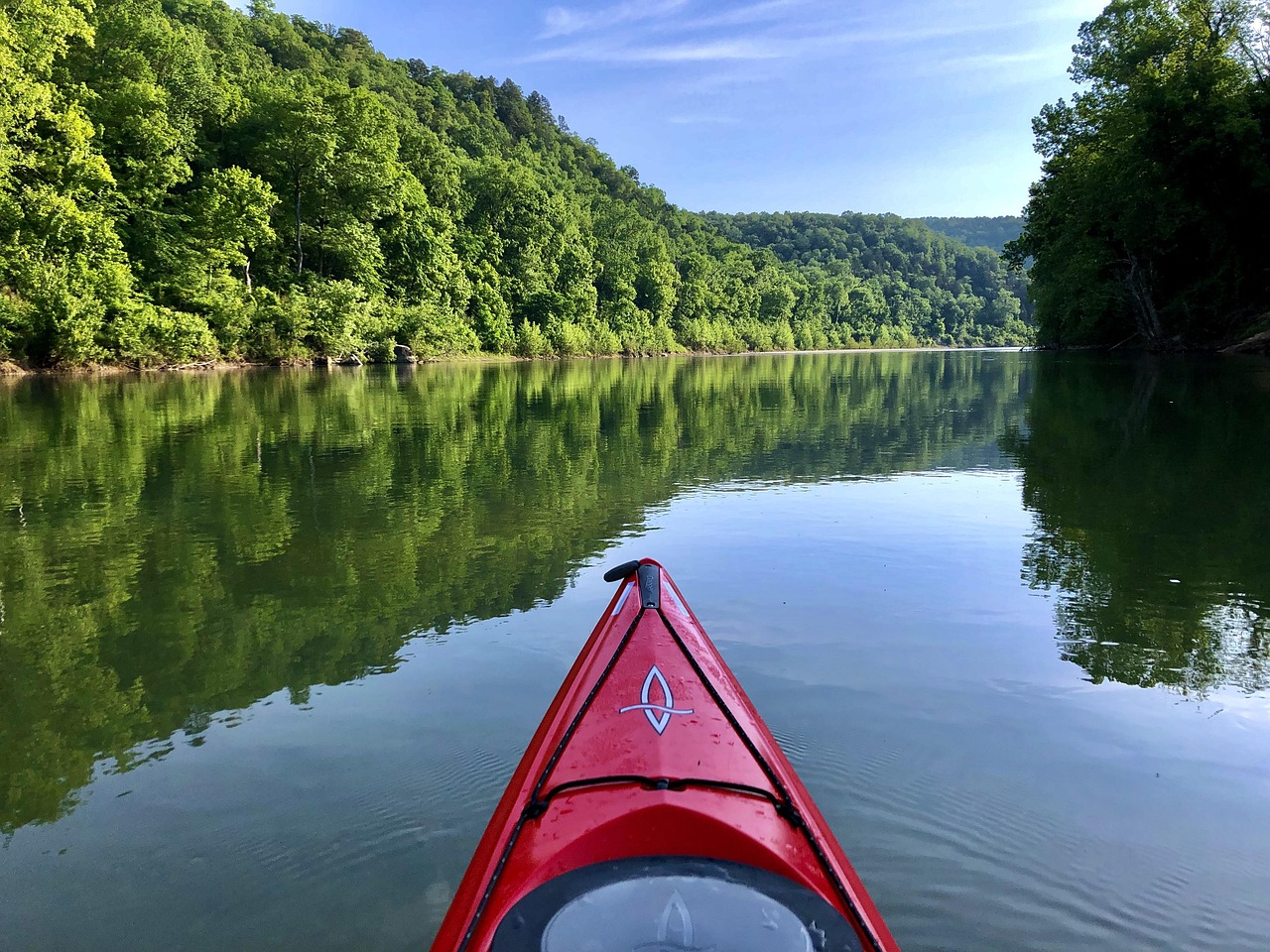
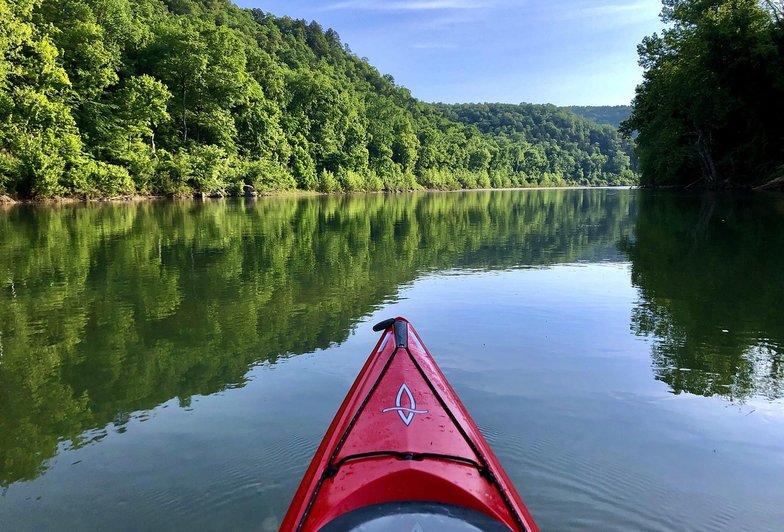
I found the river by mistake. I was looking for a different access point, took a wrong turn, and ended up at a gravel ramp that looked like it hadn't been used in years. There was a handmade sign that said "Canoe Launch" in faded letters, and a narrow channel of water slipping between two banks of overhanging willows. I almost turned around. Instead, I unloaded my kayak and pushed off.
For the first half mile, I wondered if I'd made a mistake. The water was shallow, the channel was tight, and I had to duck under low branches more than once. But then the river opened up. The willows gave way to a hardwood forest, and the water deepened and cleared. I could see the bottom in places, and schools of smallmouth bass darted ahead of my boat. A great blue heron watched me from a sandbar, then lifted off with that prehistoric croak they make. I didn't see another person for six hours.
The Joy of Unmapped Water
There's something special about paddling water that isn't in any guidebook. No shuttle services, no crowds, no designated campsites. Just you, the river, and whatever you brought with you. I packed a lunch, two bottles of water, and a single rod. I caught a few smallmouth, missed a few more, and spent a long time just drifting and watching. The river had a rhythm to it, a slow, steady current that carried me downstream while I cast at fallen trees and undercut banks.
At one point, I pulled over onto a gravel bar and just sat there. The sun was warm, the water was clear, and the only sound was the river moving over the rocks. I realized that this was the kind of trip I'd been looking for without knowing it. Not a big adventure, not a bucket-list destination. Just a quiet river on a Saturday, with nobody around and nowhere to be.
Planning for the Unexpected
Unmapped water comes with risks. You don't know where the next takeout is, and you don't know if there's a logjam around the next bend. I always carry a small saw, a throw rope, and a dry bag with a change of clothes. I also tell someone where I'm going and when I expect to be back, even if I'm not sure of the exact route. On this trip, I hit a strainer about four miles in and had to portage around it. It wasn't a big deal, but it would have been if I hadn't been prepared.
I've been back to that river a few times since. It's still quiet, still unmarked, still exactly the kind of place I want to keep to myself. But I'll tell you this: the best water isn't always the water that's famous. Sometimes it's the water you find by accident, on a wrong turn, on a day when you had no plans at all.
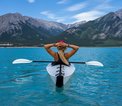
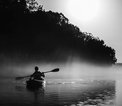
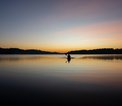
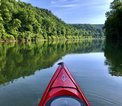
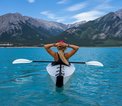
Sometimes the best paddling trips are the ones you stumble into by accident, on water that doesn't make the guidebooks.
Nothing beats the explosion of a bass hitting a surface lure, and small ponds are the perfect place to learn the game.
Fog on the water is more than atmosphere — it changes how fish behave, how sound travels, and how you should paddle.
Creeks are cramped, snaggy, and full of fish that rarely see a lure — here is how to fish them without losing your mind or your tackle.
A two-night kayak camping trip on a reservoir taught me more about packing light and reading wind than any guidebook could.