


Kayak Camping on a Reservoir: What I Learned the Hard Way
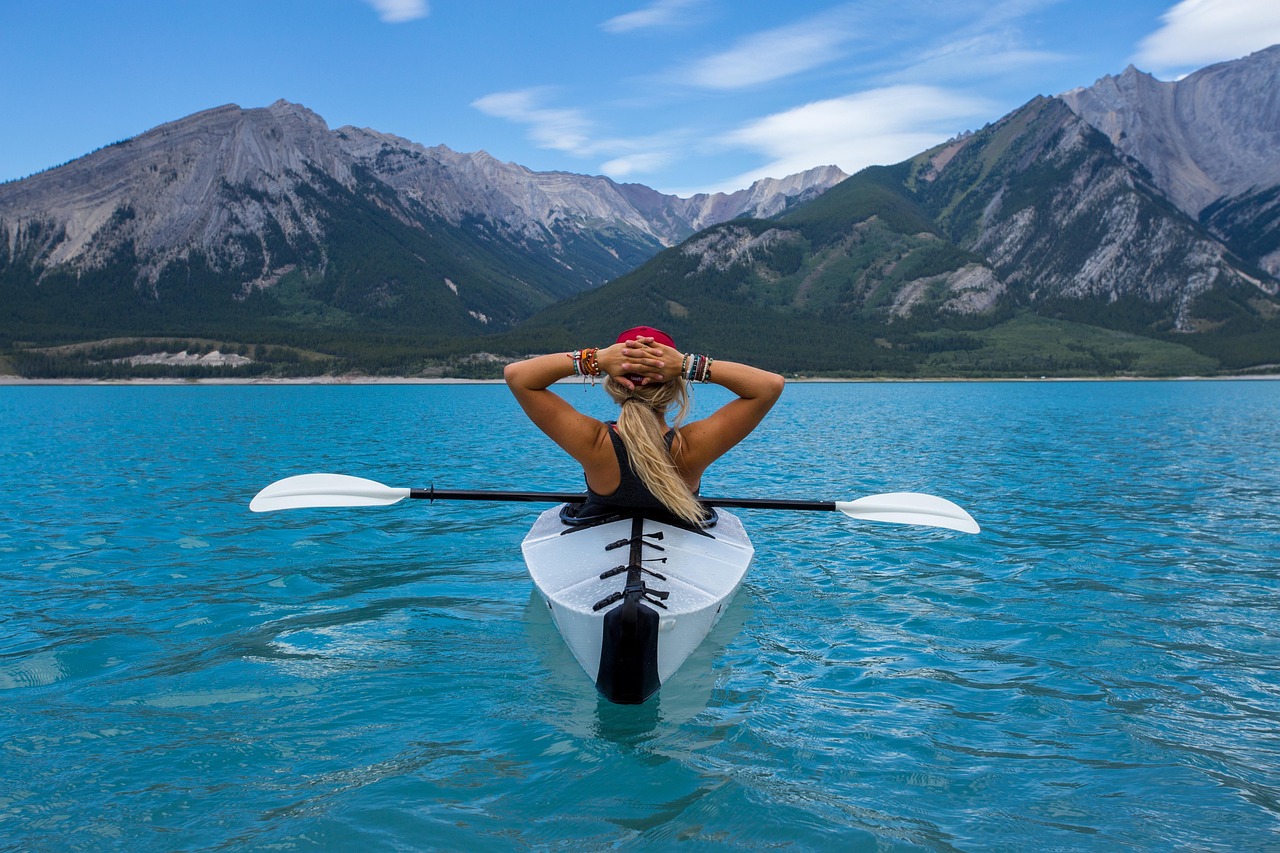
The reservoir looked small on the map. That was my first mistake. Maps flatten water and hide the way a headwind can turn a two-mile crossing into an hour of grinding. I had planned a two-night kayak camping trip around the lake, with campsites marked on the shoreline and plenty of time to fish along the way. What I got was a lesson in humility, delivered by wind, waves, and a stubborn decision to bring a cast iron skillet.
Let me start with the skillet. I love cooking on cast iron at home. On a kayak, it is dead weight. I told myself I would use it for everything — eggs, fish, coffee. What I actually used was a small titanium pot and a pocket rocket stove. The skillet stayed in the hatch, taking up space, shifting the boat's balance, and reminding me every time I lifted the kayak that I had made a poor choice. Pack for the trip you are actually taking, not the trip you imagine.
Wind Is the Real Boss
On a reservoir, wind is not just weather. It is navigation. In the morning, the water can be glass, and by noon, whitecaps are slapping the hull. The shape of the reservoir matters too — long arms funnel wind, and narrow coves can be calm while the main channel is a mess. I learned to plan my paddling for the morning and evening, and to spend the middle of the day at camp, fishing from shore or napping in the shade.
If you are crossing open water, do it early. If the wind picks up while you are out, do not fight it head-on. Angle across it, or turn and run with it to the nearest safe landing. A kayak can handle more chop than you think, but only if you keep the bow pointed into the waves and your weight low. Leaning back and bracing with your paddle is instinct, but it makes you less stable. Sit up, keep your hips loose, and let the boat rock under you.
I also learned to carry a small anchor. Not for fishing — for holding position when I needed to rest or sort gear in wind. A three-pound folding anchor and fifty feet of line takes up almost no space and solves a problem that otherwise turns into a drift toward rocks.
Camping Small, Fishing Smart
My campsite setup was simple: a hammock, a tarp, a sleeping bag, and a small dry bag of clothes. That was enough. The reservoir shoreline was rocky and sloped, and I watched a family with a six-person tent spend an hour looking for a flat spot. A hammock needs two trees, and there were plenty.
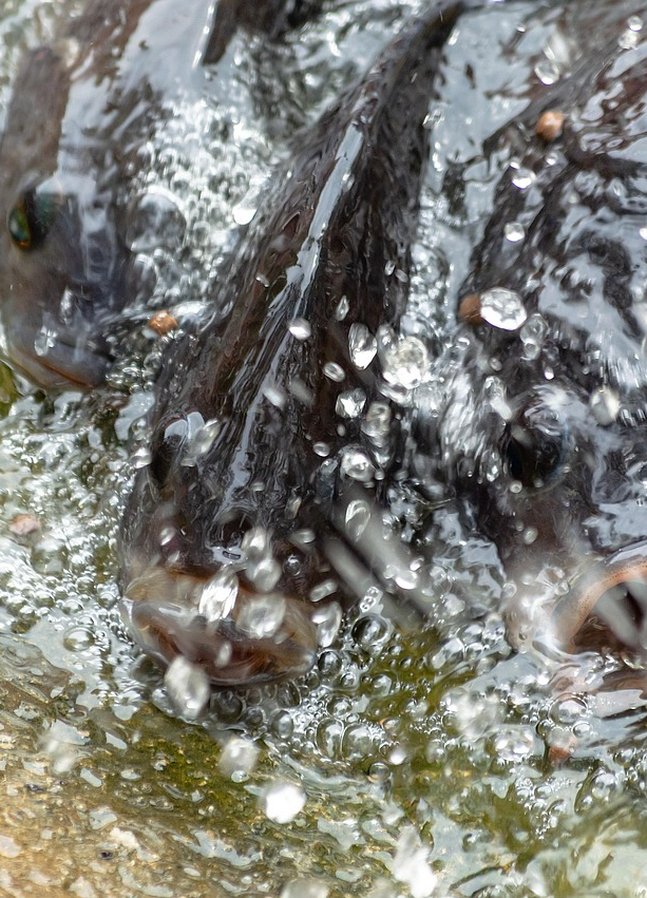
Fishing from a kayak camp is different from a day trip. You are tired, and you do not want to paddle far. That is fine. The best fishing was within a hundred yards of camp, at dawn and dusk, when bass and crappie moved shallow to feed. I caught my biggest fish of the trip on the second evening, casting a small crankbait from shore while dinner cooked. I did not need to go anywhere. I just needed to be there when the light changed.
The trip ended with a long paddle back into a headwind, the kind that makes you question every choice. But I made it, and I learned more in three days than I had in a year of reading about kayak camping. The reservoir is still there. I will go back. The skillet stays home.




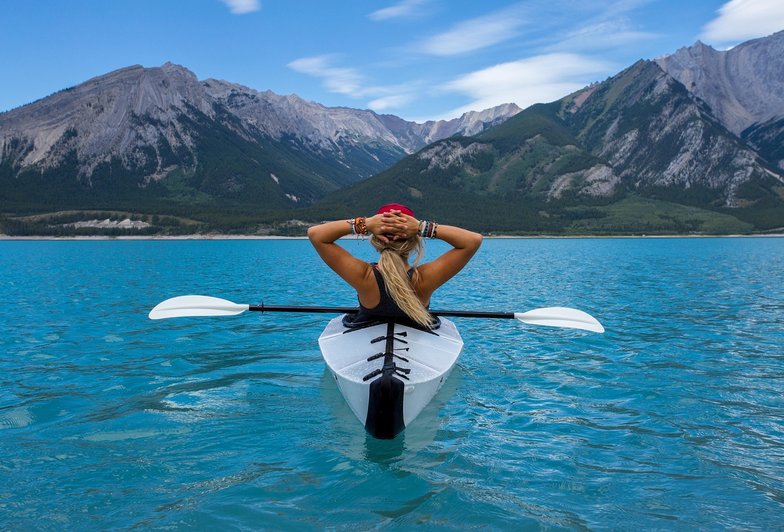
A two-night kayak camping trip on a reservoir taught me more about packing light and reading wind than any guidebook could.
You do not need electronics to know what the water is doing — your hands, the shoreline, and the fish will tell you.
Even after years on small ponds and creeks, I keep repeating these mistakes — and they are easy to fix.
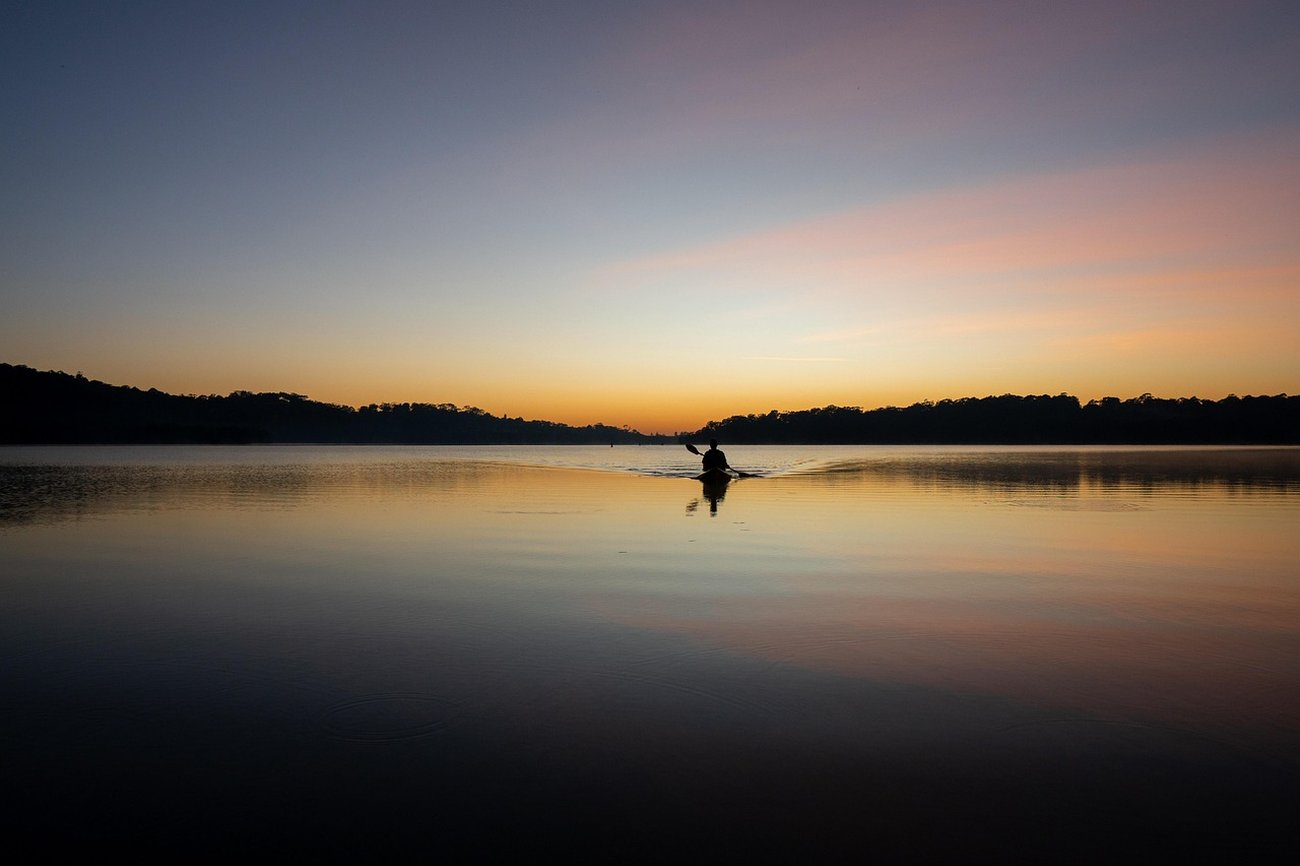
There's a particular magic to slipping your kayak into still water before the rest of the world wakes up.
Farm ponds are their own ecosystem, and learning to read them is the difference between casting blind and casting with purpose.